


Recognition for Assistive Technology Specialists
A new Professional Association of Assistive Technologists (PAAT) has been launched to provide crucial accreditation for people working with disabled adults who use assistive technology.
Assistive technology can support people to communicate, connect with others and live more independently. Access to assistive technology, backed by the right support, can transform everyday life for many disabled people.
Recent rapid changes in technology mean daily tasks that were once challenging or impossible can become much more achievable.

“Across the UK, disabled people and those supporting them will benefit hugely from the Professional Association of Assistive Technologists,” said Dave Hursthouse (pictured above), a founder member of PAAT and Assistive Technology Project Manager at Leonard Cheshire, a major UK charity that supports disabled individuals to live, learn, and work independently.
“PAAT aims to build a confident, connected and respected professional community.”
Assistive technology professionals can now apply online for membership, with successful members gaining crucial proof of their skills. Head to www.pa-at.org to find out more.
PAAT offers members a robust code of conduct and opportunities for peer support. It will also champion improved training and extra consistency in employment standards and ultimately aims to offer continuing professional development. It will campaign for greater recognition of assistive technology services by commissioners and regulators.
PAAT members can gain recognition for their expertise in a fast-moving sector, demonstrating their knowledge of how assistive technology can make life more accessible with best practice.
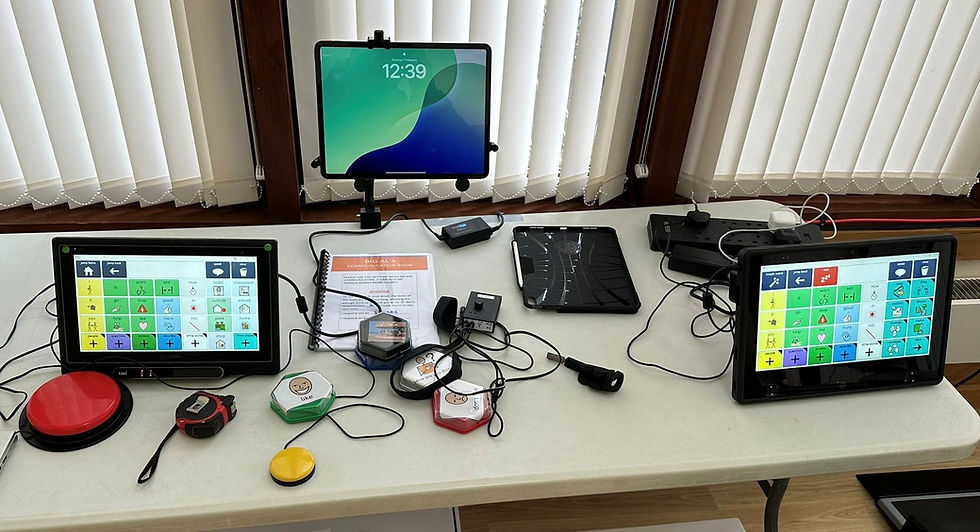
Members might support disabled people with electronic communicators (AAC devices), electronic tablets like iPads and voice assistants like Siri and Alexa. These can be used together with environmental controls to create a Smart Home environment - opening doors, curtains and windows or, switching on TVs, computers, heating and lighting.
Professional membership with PAAT comes in three levels – associate, full and senior. Potential members from across the UK could be working in social care, healthcare, academia or the technology industry.
A few PAAT members who support disabled adults might have assistive technology as just one part of their role. Others could be experienced professionals using it every day or experts in their field.
PAAT is not intended to replace existing professional bodies in education, health or social care. Instead, it provides a professional home for Assistive Technologists who might not currently have one. The association works collaboratively with established membership organisations.
“PAAT will help professionals see how they to reach the next stage,” added Dave.
“Whether you’re a social care worker, healthcare worker or tech director, a newer user or an expert, we want you to sign up. The aim is to drive up standards, empower practitioners and transform lives.”

To find out more visit www.pa-at.org


.png)
Comments